 By Azeez Ope Quadri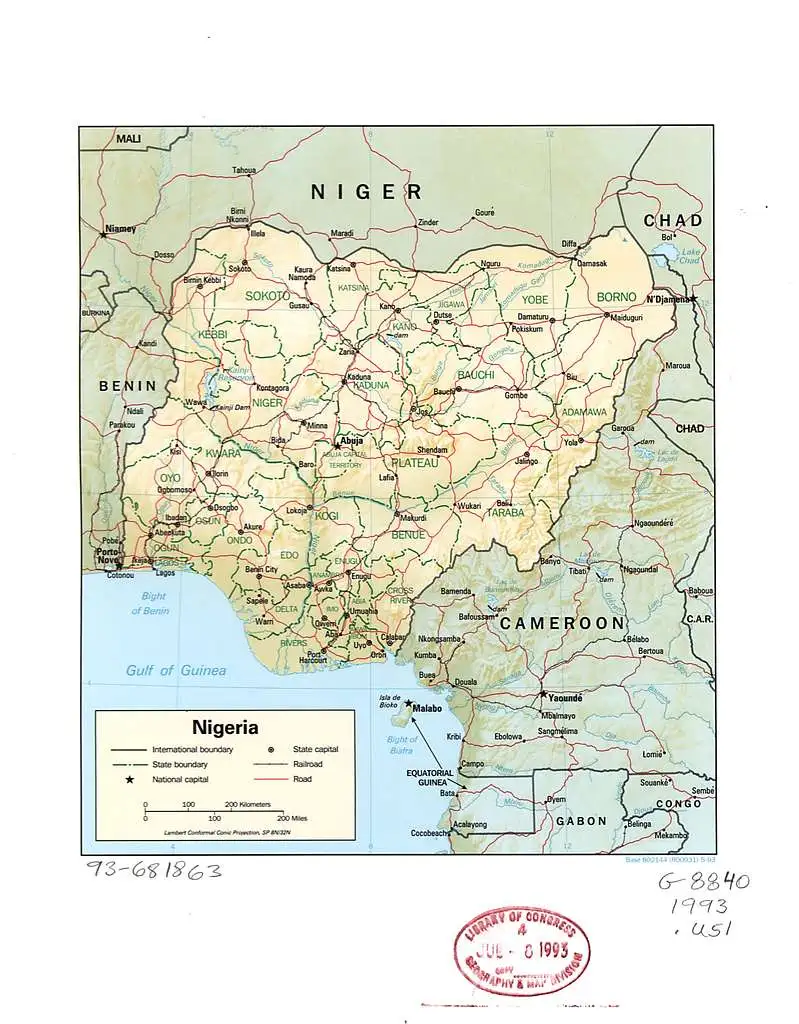
Quick facts about the Six Geopolitical Zones in Nigeria
- Official Date of Creation: October 1, 1996
- Creator: Gen. Sani Abacha
- Proponents: Alex Ekwueme and Bisi Onabanjo
- Proposal By: Alex Ekwueme
There are six geopolitical zones in Nigeria. They are North Central, North East, North West, South East, South South and South West. Lafia (Nasarawa State) is the headquarters of North Central; Maiduguri (Borno State) is the capital city of North East, while the headquarters of North West is Kano, Kano State
Others are Enugu (Enugu State) for South East; Uyo (Akwa Ibom) for South South, while the South West geopolitical zone has its headquarters in Ibadan, Oyo State. These headquarters is based on regional development commissions, which was expanded by President Bola Tinubu from one to six.
Historical Perspective of Nigerian Geopolitical Zones
The idea that Nigeria should be divided into six geopolitical zones started in 1984 by Nigeria’s former Vice President Sir Alex Ekwueme and the former governor of Ogun State, Chief Bisi Onabanjo. Both men were serving a jail term at the Kirikiri Maximum Prison, Lagos.
Although the idea never saw the light of day during their incarceration, they never let it go. While Alex Ekwueme witnessed the official creation of the six geopolitical zones on October 1, 1996, the second proponent, Bisi Onabanjo, never did; he died on April 14, 1990.
Where Did Discussion for Nigeria’s Geopolitical Zones Begin?
Following the military coup of December 31, 1983, that ended the civilian administration of Alhaji Shehu Shagari, the military government led by Maj.-Gen Muhammadu Buhari arrested the VP Ekwueme. The military junta subjected other civilian governors and politicians to military tribunal for alleged corruption and embezzlement.
Consequently, the special military tribunal tried and sentenced former Ogun State governor Bisi Onabanjo on May 31, 1984. Both men met at Kirikiri Maximum Prison, where they conceptualised the idea of Nigeria’s six political zones, according to an interview Ekwueme held with Vanguard Newspapers in 2016 (republished on December 25, 2017).
When Ekwueme was asked whether the idea was his sole idea, “The only other person who contributed to it was my friend, Bisi Onabanjo. Two of us discussed this in prison,” he told a team of newsmen in 2016.
How the 1995 Constitutional Conference Birthed the Six Geopolitical Zones
The Constitutional Conference by Sani Abacha, which began on June 27, 1994, and ended on April 27, 1995, was originally conveyed to calm the rising political tensions across Nigeria and get heavyweight political actors on his side, following the arrest and detention of Chief M.K.O Abiola on June 23, 1994, the winner of 1993 presidential election.
Even as it was obvious that the conference was designed to silence dissent and pacify political actors, Chief Alex Ekwueme, who was one of the heavyweight delegates, proposed the creation of six geopolitical zones in Nigeria as a starter for equity and fairness. But delegates at the conference, dominated by the North, rejected his proposal.
And Abacha Adopted It
On October 1, 1996, Gen. Sani Abacha formally used the words “Six Geopolitical Zones” in his Independence Day Speech, during which he also announced the creation of six more states and 74 Local Government Areas from the existing ones, bringing the total number of states in Nigeria to 36.
“The principle adopted for the creation of states and local governments was to ensure a fair spread and balancing within the geopolitical zones of the country applying such criteria as population and land mass, among others. Accordingly, six new states are hereby approved, one each from the six geopolitical zones of the federation as follows:…,” Archiving, Nigeria’s foremost archive for old or lost newspapers.
Alex Ekwueme also confirmed that the military dictator adopted the six geopolitical zones recommendation.
“…Abacha adopted it. The conference itself didn’t adopt it; they wanted the status quo to remain because it was in the interest of some people to maintain the status quo,” according to Vanguard.
What criteria were used?
The six geopolitical zones were created as a form of administrative division, grouping Nigeria’s 36 states by ethnic groups and common political history as criteria for the government to merge similar groups for the effective allocation of resources.
The zones were not constitutionally recognised at the time Abacha announced the creation. However, vocal regional groups such as Afenifere Renewal Movement, Ohaneze Ndigbo and Ijaw National Congress canvassed that the zones should be given constitutional backing.
States under the 6 Geopolitical Zones
All geopolitical zones except North West and South East have six states. North West and North Central have seven states each, the highest, while South East has five states, the lowest.
North Central:
- Benue,
- Kogi,
- Kwara,
- Nasarawa,
- Niger,
- Plateau State
- Federal Capital Territory
North East:
- Adamawa,
- Bauchi,
- Borno,
- Gombe,
- Taraba,
- Yobe
North West:
- Jigawa,
- Kaduna,
- Kano,
- Katsina,
- Kebbi,
- Sokoto,
- Zamfara
South East:
- Abia State,
- Anambra State,
- Ebonyi State,
- Enugu State
- Imo State
South South:
- Akwa Ibom
- Bayelsa,
- Cross River,
- Delta,
- Edo,
- Rivers
South West:
- Ekiti,
- Lagos,
- Ogun,
- Ondo,
- Osun,
- Oyo State
Where are the headquarters of the geopolitical zones?
General Sani Abacha did not announce official headquarters when he established Nigeria’s six geopolitical zones. However, following the recent five creation of regional development commissions such as North-West Development Commission (NWDC), North-Central Development Commission (NCDC), South-East Development Commission (SEDC), South-South Development Commission (SSDC) and South-West Development Commission, under President Bola Tinubu, it became necessary to designate an administrative headquarters for each zone. These headquarters effectively function as the capital cities of Nigeria’s geopolitical zones.
The North-East Development Commission (NEDC), modelled after the Niger Delta Development Commission (NDDC), was the only regional commission that former President Muhammadu Buhari created.
The six zones and their capital city
- South South: Uyo, Akwa Ibom State
- North East: Maiduguri, Borno State
- North Central: Lafia, Nasarawa State
- South East: Enugu, Enugu State
- North West: Kano, Kano State
- South West: Ibadan, Oyo State
 INFOMEDIANG SOLUTIONS