
 By Opeyemi Quadri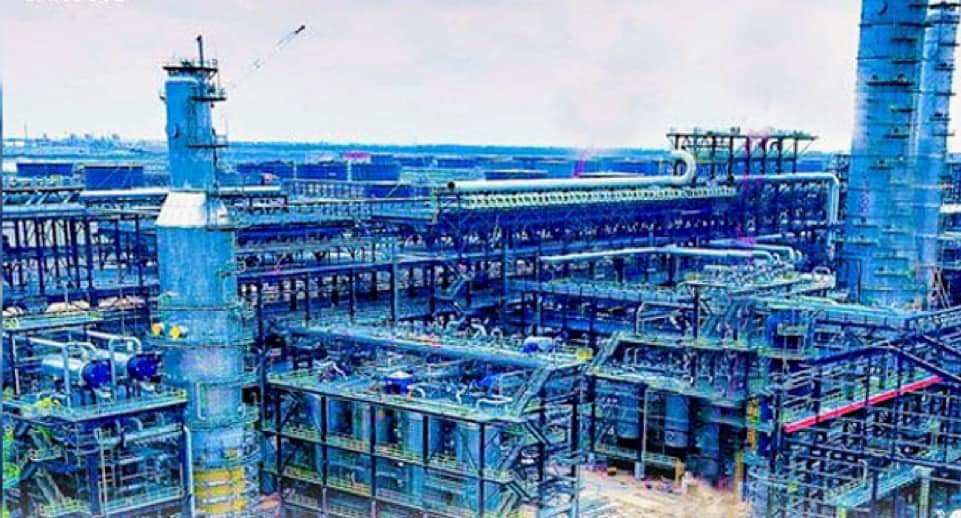
Since Nigeria returned to democracy, there has never been a time when queues did not surface at filling stations across Nigeria during the festive period, particularly December. 2025 is different. This year, that shackle of long queues, which subjected Nigerian to avoidable hardship, was broken. Thanks to the full privatisation of the oil sector and the coming on board of Dangote Refinery.
Dangote Refinery is not the only company granted a licence to refine crude oil locally; there are over 80 companies in Nigeria holding refining licences. This is the beauty of competition. We have seen it play out in the telecom sector and now in the oil sector. The next should be the power sector.
There was a time when Nigerian mobile network subscribers were compelled to exhaust their recharge within a month. Worse still, they were charged per second even when the talk time was less than a minute. It was a wicked and arbitrary exploitation of subscribers. Econet and MTN were the chief culprits in those days, no mercy.
Then Glo Mobile entered the market and shattered that exploitation. By introducing per-second billing, Glo Mobile forced Econet (now Airtel) and MTN to adjust. SIM cards, which once sold for ₦20,000 or more, are almost free now, in most cases with free airtime or data bonuses. That’s the benefit of a privatised market: it breeds healthy competition, so long as the government plays its core regulatory role without favouritism or corruption.
Today, despite the odds Dangote faces in the oil sector, particularly from the now sacked chief executive of the Midstream and Downstream Petroleum Regulatory Authority (NMDPRA), Mr Farouk Ahmed, and the push-backs from entrenched oil cabals, the price of petrol is gradually coming down.
Dangote’s partner filling stations, such as MRS Oil, Ardova, Heyden Petroleum and Optima Energy, are selling between ₦739 and ₦780, depending on proximity to the refinery, while NNPC-backed imported fuel is selling at ₦835 per litre. It is not just coming down; it is the result of competition, leading to a price war to control the market. And in a price war, whoever wins controls the market, but the real winners are the masses. Simple.
If the government fears Dangote monopolising the oil sector, then it should put its four moribund refineries to work. Nigeria has spent at least ₦11 trillion between 2010 and 2023 to rehabilitate the Port Harcourt, Warri, and Kaduna refineries; none is working.
That same competitive energy is what the power sector needs. Not the cosmetic privatisation, not the padi-padi deal that followed the sale of PHCN, but a genuine one.
When that happens, customers should be able to switch from BEDC to Ikeja Electric if service delivery fails.
 Editorial Staff